
Turbocharge Your Drive: The Ultimate Guide to BMW Turbo Maintenance & Performance
Byadmin
In the modern era of the “Ultimate Driving Machine,” the turbocharger is no longer just an add on; it is the beating heart of the BMW driving experience. From the pioneering N54 twin turbo straight six to the sophisticated S58 in the latest M models, BMW has perfected the art of “TwinPower” boost.
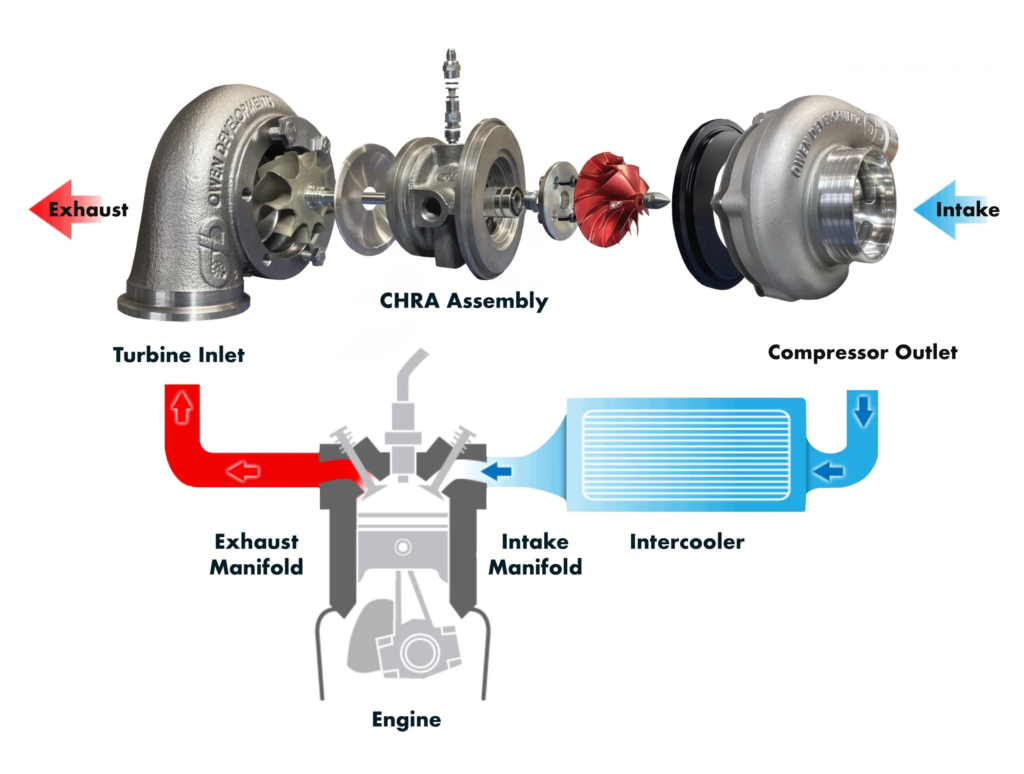
However, with that exhilarating performance comes extreme engineering demands. Turbos operate at speeds exceeding 200,000 RPM and temperatures that can melt lesser components. To own a turbocharged BMW is to be a steward of a high performance machine. This guide will walk you through everything from saving a dying turbo to extracting maximum power safely.
1. Anatomy of the Boost: How BMW Turbos Work
BMW uses various technologies to eliminate “turbo lag” that annoying delay before the power kicks in.
- Twin Scroll Technology: Found in engines like the N55 and B58, this uses a single turbocharger with two exhaust inlets, allowing the engine to spool up faster at low RPMs.
- True Twin Turbo: Engines like the N54 or S63 utilize two separate turbos to provide a massive, linear power band.
- Electric Wastegates: Modern BMWs have moved away from vacuum actuated wastegates to precise electric ones, which are more efficient but can be more complex to calibrate during a repair.
2. The Early Warning System: Identifying Turbo Failure
A turbocharger rarely fails “instantly.” It usually gives you several warnings before a total “grenade” event occurs.
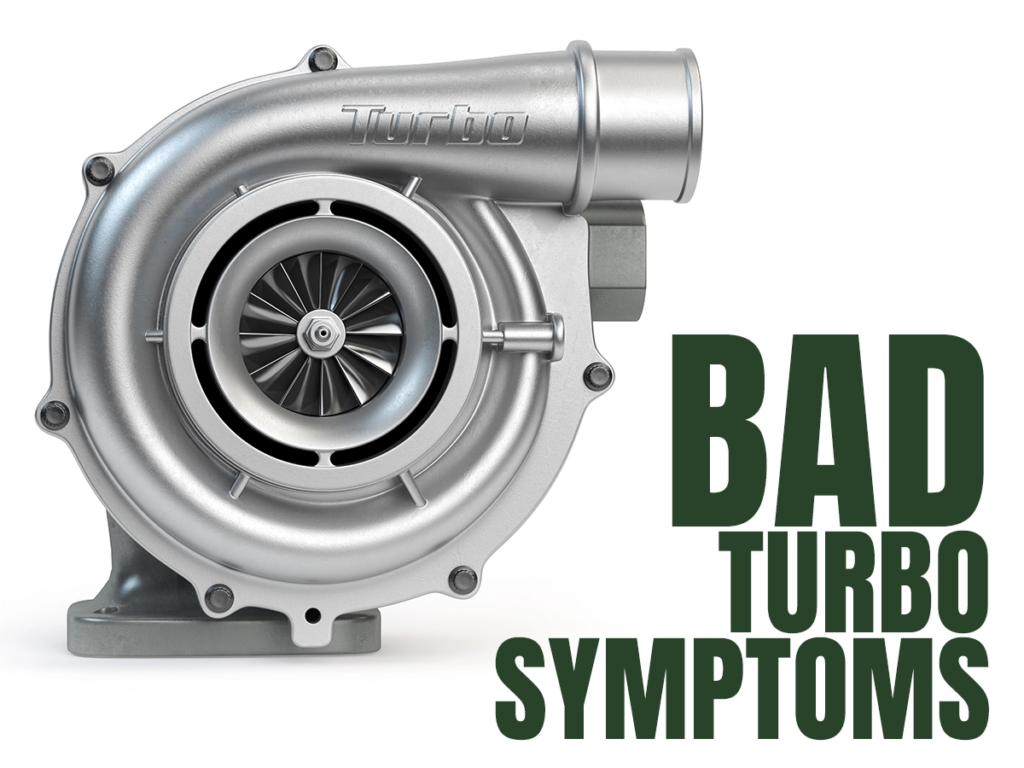
A. The Siren Song (Bearing Wear)
If you hear a high pitched whining or whistling sound that gets louder as the RPMs rise, your turbo’s internal bearings are likely shot. This is often caused by “oil starvation” meaning the oil didn’t get to the bearings fast enough during a cold start.
B. The Blue Cloud (Seal Failure)
Are you seeing blue smoke coming from the exhaust after the car has been idling for a few minutes? This indicates that the internal seals are leaking oil into the hot exhaust housing. If left unfixed, this will eventually clog your expensive catalytic converters.
C. The “30FF” Code and Limp Mode
On the iDrive screen, this shows up as a “Drivetrain Malfunction.” This often points to a boost leak. It could be a simple $20 rubber charge pipe connector, or it could be the “Wastegate Rattle” a mechanical wear issue where the turbo can no longer hold pressure.
3. The “Silent Killer”: Why BMW Turbos Fail
Understanding why they fail is the key to making yours last 200,000 miles instead of 80,000.
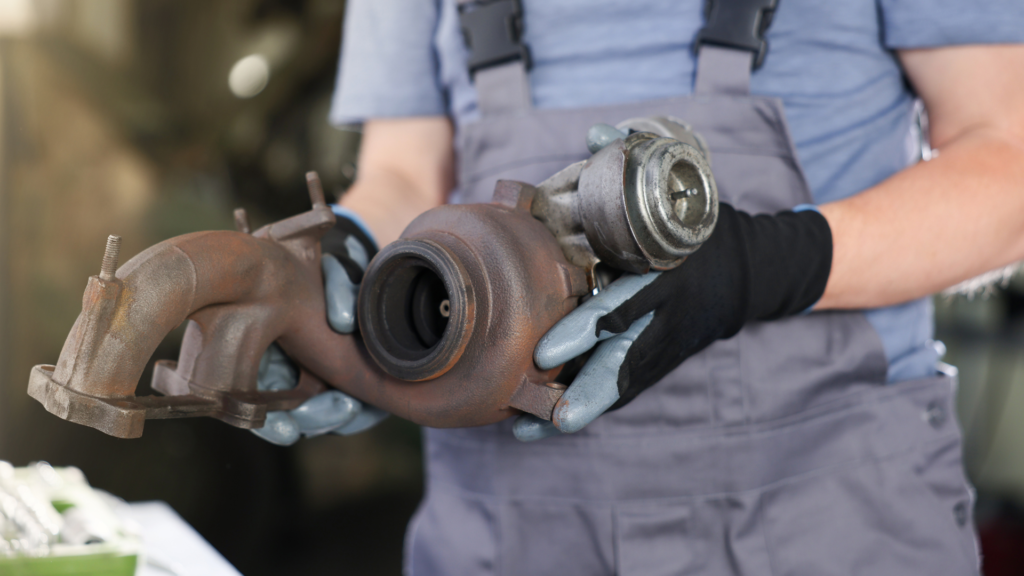
- Oil Coking: When you shut off a hot engine immediately after a hard drive, the oil sitting in the turbo “cooks” into a hard carbon sludge. This sludge eventually blocks the oil feed lines, starving the turbo of lubrication.
- Foreign Object Damage (FOD): A tiny piece of debris even a bit of a cheap air filter can hit a spinning compressor wheel and shatter it instantly at 150,000 RPM.
- Low Quality Oil: BMWs require specific “Full Synthetic” oils with high thermal stability. Using cheap oil is the fastest way to kill a turbo.
4. Professional Maintenance: The BimmerFix Strategy
At BimmerFix Supply, we advocate for “Maintenance as a Lifestyle.” To protect your turbo:
- The 60 Second Rule: Always let your car idle for 60 seconds before shutting it off after a spirited drive. This allows the oil to cool the turbo components.
- Shorten Oil Intervals: Don’t wait for the 10,000 mile factory recommendation. Change your oil every 5,000 miles to ensure the turbo is always bathed in fresh, clean lubricant.
- Upgrade the Hardware: Consider replacing brittle plastic “Charge Pipes” with aluminum ones. Factory plastic pipes are known to burst under stock boost levels, let alone tuned ones.
5. Taking it Further: Performance Upgrades
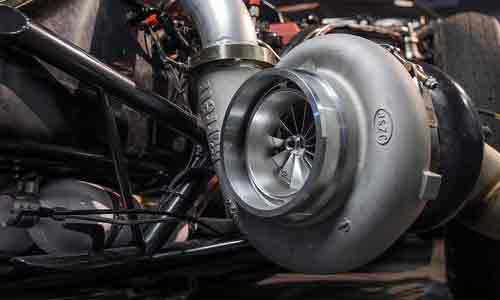
If your turbos are healthy and you want more “punch,” the path is clear:
- Stage 1 Tuning: A simple software remap can often add 40 60 horsepower by safely increasing boost targets.
- Upgraded Intercoolers: More boost creates more heat. An enlarged intercooler keeps the “Intake Air Temperatures” (IATs) low, preventing the engine from pulling timing and losing power.
- Hybrid Turbos: These utilize the factory housings but with larger, more efficient internal wheels. It’s the ultimate “sleeper” mod it looks stock but performs like a supercar.
The Bottom Line
Whether you are performing a DIY repair with a BimmerFix coolant kit or diving into a full turbo swap, the goal is the same: precision and longevity. A well maintained BMW turbocharger provides a driving experience that few other cars can match. Treat your turbos with care, and they will reward you with endless miles of boost filled joy.
